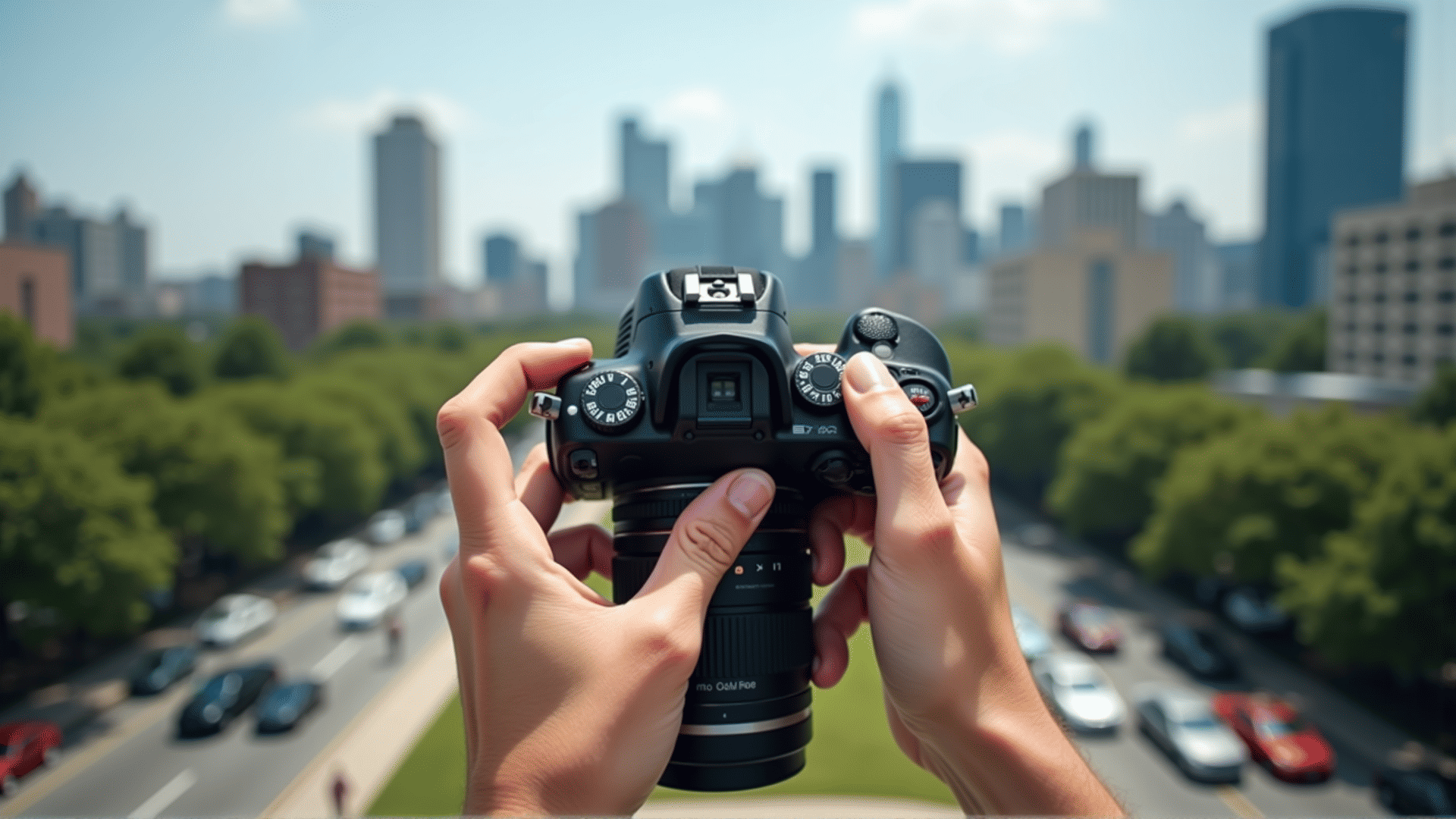
Unlocking the potential of your photographic eye involves more than just pointing and shooting. Mastering the delicate balance of exposure, shutter speed, and ISO settings offers profound artistic control, allowing you to capture the world in unique ways. Understanding these elements empowers you to convey stories and emotions through your images.
Getting a Grip on Exposure
Exposure is crucial in determining how light or dark an image will appear. It is a result of the combination of three settings: aperture, shutter speed, and ISO. The aperture, located in the lens, controls the amount of light entering the sensor, and is measured in f-stops. A lower f-stop means a larger opening, allowing more light to hit the sensor, which is ideal for low-light situations or when a shallow depth of field is desired.
Mastering Shutter Speed
Shutter speed determines the duration for which the sensor is exposed to light. It is measured in fractions of a second, such as 1/250, 1/60, or even in whole seconds for longer exposures. A fast shutter speed, like 1/1000 of a second, freezes motion effectively, which is perfect for action shots such as sports or wildlife photography. On the other hand, a slower shutter speed can create a sense of motion blur, lending a dreamlike quality to the image. This can be particularly compelling in night photography or when capturing water flow.
Navigating ISO Settings
ISO is the setting that adjusts the sensitivity of the image sensor. A lower ISO value, such as 100 or 200, means the sensor is less sensitive to light, resulting in less noise and clearer images in well-lit conditions. Conversely, a higher ISO, like 1600 or above, increases sensitivity, helping in scenarios with poor lighting but at the cost of introducing noise or grain into the image. The challenge lies in finding that sweet spot where the ISO is high enough to properly expose the image, yet low enough to maintain image quality.
Finding Balance
To effectively control these settings, one must understand their interplay. The exposure triangle, comprising aperture, shutter speed, and ISO, must be balanced to achieve the desired outcome, whether it's a brightly lit landscape or a moody, dimly lit portrait. Adjusting one setting necessitates a compensatory change in another. For example, increasing the aperture size (lower f-stop) might mean needing a faster shutter speed or lower ISO to prevent overexposure.
Embracing Creative Freedom
Artistic expression flourishes when you have control over your tools. By experimenting with different settings, you can push the boundaries of creativity. A landscape scene can transform with a change in aperture setting, bringing different elements into focus or blurring them into the background. Low-light environments become more accessible as you manipulate ISO and shutter speed to capture striking visuals.
In conclusion, the journey to mastering your image-capturing device requires practice and patience. As you grow comfortable with exposure, shutter speed, and ISO, you'll unlock a world of possibilities, empowering you to tell stories and evoke emotions with every frame. Whether you're capturing the fleeting glint of sunlight through leaves or the energy of bustling city streets at night, understanding these settings will help you translate your vision into stunning photographs.