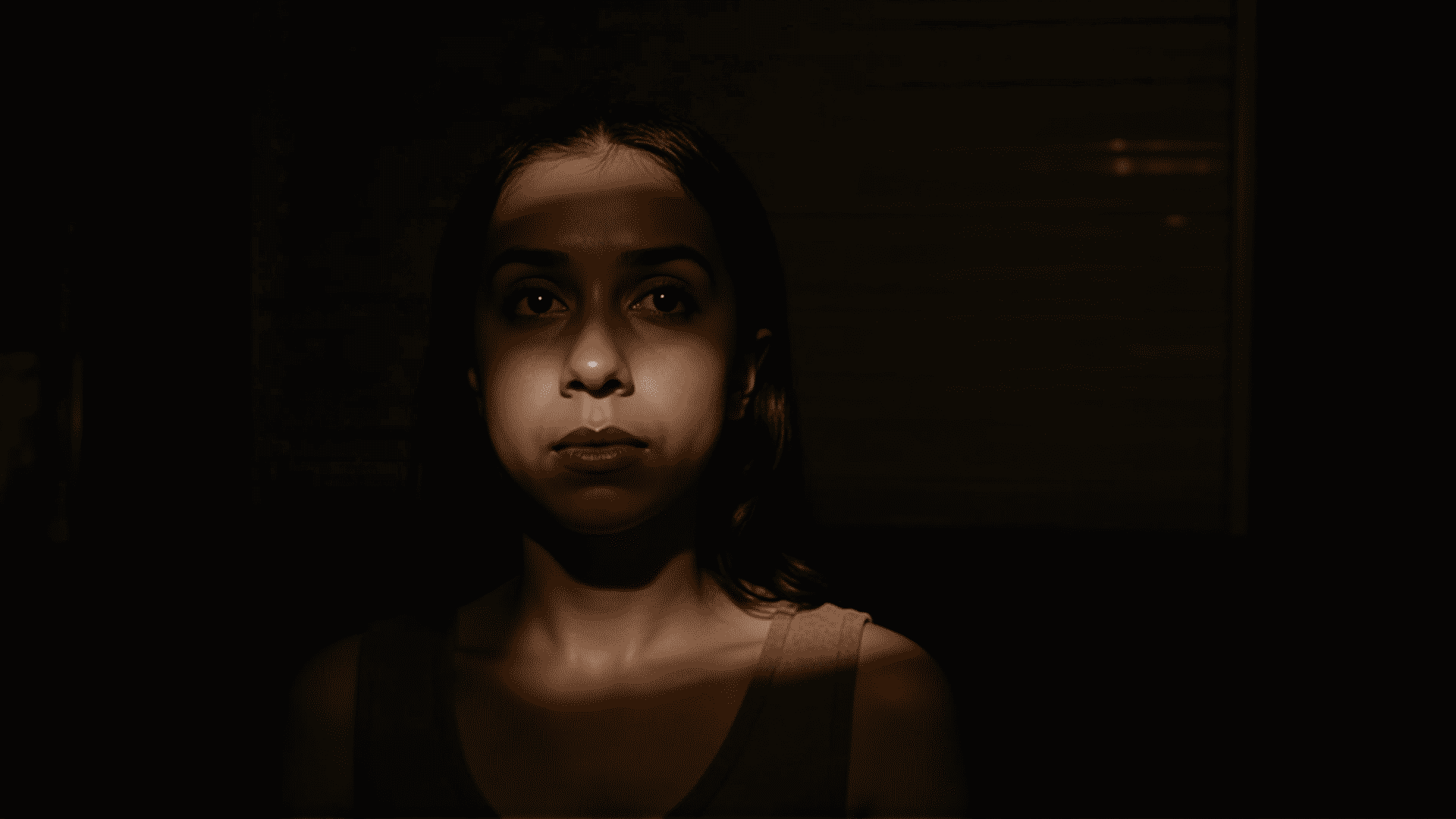
Enhancing the mood and depth of your images through the power of lighting is a captivating journey that can revolutionize the way you capture the world. Whether you are working with natural or artificial sources, mastering the art of lighting can add a significant impact to your visual storytelling. Here’s how you can harness both types to elevate your photographic results.
Natural Light
Natural light offers a dynamic and versatile option that provides an organic feel to images. However, it is essential to understand how to manipulate and adapt to its ever-changing nature.
Golden Hour: The period shortly after sunrise or before sunset is renowned for its golden hues and soft shadows. The sun is low in the sky during these times, producing a warm glow that can add a sense of magic and tranquility to your work. It's perfect for adding a touch of warmth and depth to portraits and landscapes alike.
Diffused Light: Overcast days might seem dull at first glance, but the clouds act as a natural diffuser, creating soft shadows and balanced contrast. This type of lighting is excellent for capturing detailed textures and subtle colors without harsh highlights or deep shadows.
Backlighting: Placing the primary light source behind your subject can create a dramatic silhouette or add a halo effect, enhancing the mood of the image. It can lend a dreamy, ethereal quality that invites viewers to look closer.
Artificial Light
When natural sources are unavailable or unsuitable, artificial light serves as a powerful tool in creating the desired atmosphere and style.
Strobe and Flash: With the ability to precisely control intensity and direction, strobe lights and flashes are indispensable for capturing fast-moving subjects and freezing action. They are particularly useful in studio settings where consistent lighting conditions are required.
Continuous Lighting: These types of lights allow for real-time adjustments of shadows and highlights, making them ideal for portraits and product images. The continuous aspect provides the opportunity to experiment with the positioning and intensity without the need for trial and error with each shot.
Color Gels and Filters: Adding color gels or filters to your setup can dramatically alter the story an image tells. By changing the color temperature, you can evoke different emotions, whether it’s the cool blues of a winter scene or the fiery reds of a sunset.
Combining Techniques
The real artistry lies in your ability to blend natural and artificial lighting effectively. Using a mix of both allows for greater creative flexibility and more pronounced storytelling.
Fill Lighting with Flash: When shooting in strong sunlight causing harsh shadows, using a fill flash can help to soften these areas, balancing the light for a more pleasing result.
Ambient and Artificial Blending: Mixing ambient lighting conditions with carefully positioned artificial sources can produce immersive and captivating imagery. This technique is widely used in event photography to keep the atmosphere while still highlighting specific subjects.
Understanding and applying these strategies effectively will not only refine your approach but also deepen the emotive quality of your images. Lighting is much more than just illumination; it communicates emotion, enhances composition, and ultimately brings your photographic vision to life. Mastering this art takes time and experimentation, but the rewards are well worth the effort.